Bio-decontamination & EU GMP Annex 1
How can you achieve compliance with EU GMP Annex 1, which further strengthens the guidelines on contamination control in manufacturing environments?
The pharmaceutical industry is subject to strict quality and safety standards to guarantee the integrity and efficacy of products reaching the market. Regulations govern manufacturing environments and processes to prevent contamination risks.
The recent updates to EU GMP Annex 1 further strengthen the guidelines on contamination control in manufacturing environments.
Initially, the text gave manufacturers until August 2023 to comply with the new requirements.
In this context, bio-decontamination plays a crucial role in ensuring a manufacturing environment that limits contamination risks.
In this article, discover what bio-decontamination involves and how it fits into the contamination control strategy, addressing the cleanliness requirements of cleanrooms.
What are the characteristics of a cleanroom?
What is a cleanroom?
A cleanroom is a controlled environment specifically designed to maintain a high level of cleanliness and contamination control.
Cleanrooms and related controlled environments provide the means to control air contamination and, where applicable, surface contamination to levels appropriate for contamination-sensitive activities such as the aerospace, microelectronics, pharmaceutical, medical device, healthcare and food industries.
Cleanroom qualification
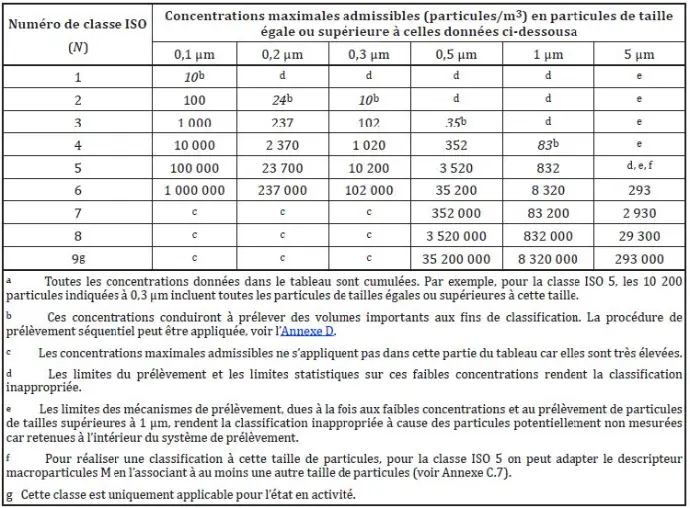
The ISO 14644 standard establishes the guidelines for the classification and monitoring of cleanrooms.
It divides cleanrooms into classes based on the concentration of particles per volume of air. Each cleanroom class has specific particle concentration limits per volume.
Cleanroom qualification in pharmaceuticals
Cleanrooms are used primarily in the manufacture of sensitive pharmaceutical products, such as sterile medicines, medical devices and other products sensitive to microbial and particulate contaminants.
In this context, cleanroom qualification depends on the particulate and microbial concentrations defined in the GMP guidelines. For the production of sterile medicines, the limits are defined in Annex 1 of the EU GMP guidelines, updated in August 2022.
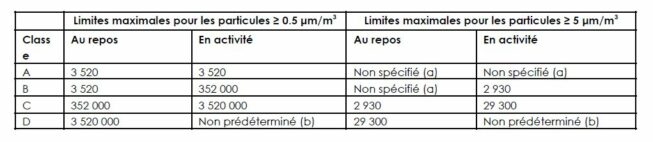
Once the cleanroom has been qualified, the manufacturer must implement monitoring to maintain the appropriate level of cleanliness.
Bio-decontamination: the ultimate step towards a clean environment
What steps are required to maintain cleanliness requirements?
Traditionally, three types of contamination are distinguished:
- Particulate contamination: inert particles, dust, fibres, debris…
- Microbiological contamination or biocontamination: micro-organisms and viable particles
- Chemical or molecular contamination: chemical contaminants, residues
Depending on the industry concerned, particular attention will be paid to one or more types of contamination. In the pharmaceutical (or cosmetics) industry, cleanliness requirements are such that they encompass microbiological, chemical and particulate contamination alike.
To maintain cleanliness requirements, contaminants and their vectors must be eliminated or minimised. Several elements must be taken into account:
- Room design: qualified air handling unit (AHU), positive pressure room
- Production isolation: barrier technologies, separation of material and personnel flows…
- Limitation of incoming contaminants: gowning, low-particle-shedding entry mats, over-wrapping of consumables…
- Elimination of contaminants: an overall process for the elimination or reduction of any contaminant from a zone, object or person
What does bio-decontamination involve?
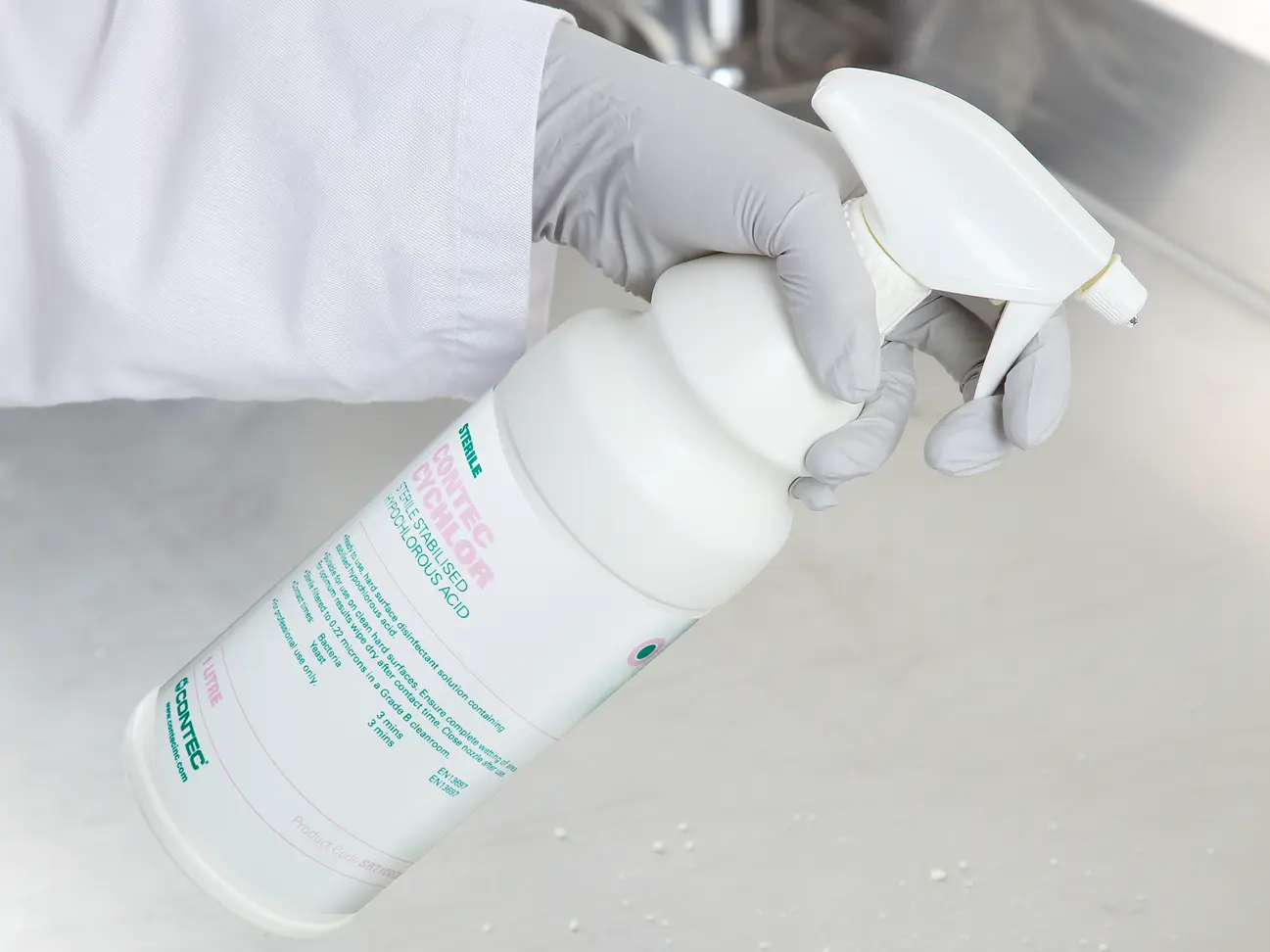
The final step is known as disinfection, and it consists of using biocidal products to destroy or render harmless harmful organisms through chemical or biological action. Disinfection products can be:
- Sprayed onto a suitable wipe
- Used to impregnate wipes in a bucket on site
- Applied via a pre-saturated wipe
Although targeting harmful organisms, biocides are active substances that may have effects on humans, animals or the environment. Consequently, their placing on the market is governed by European regulations, known as the Biocidal Products Regulation (BPR).
Regulatory implementation is structured around two stages:
- Evaluation of active biocidal substances, leading or not to their approval
- Evaluation of products containing them with a view to obtaining a marketing authorisation (MA), valid only in the country that issued the authorisation
The stages of bio-decontamination
Bio-decontamination encompasses a set of steps and processes aimed at eliminating microbial, chemical and particulate contaminants from surfaces and equipment in pharmaceutical production areas.
In fundamental protocols, 4 steps are required to eliminate all types of contaminants. However, the updates to EU GMP Annex 1 raise the level of requirements further. To achieve compliance, we recommend following 8 steps:
Pre-cleaning: removal of visible manufacturing waste to facilitate subsequent cleaning
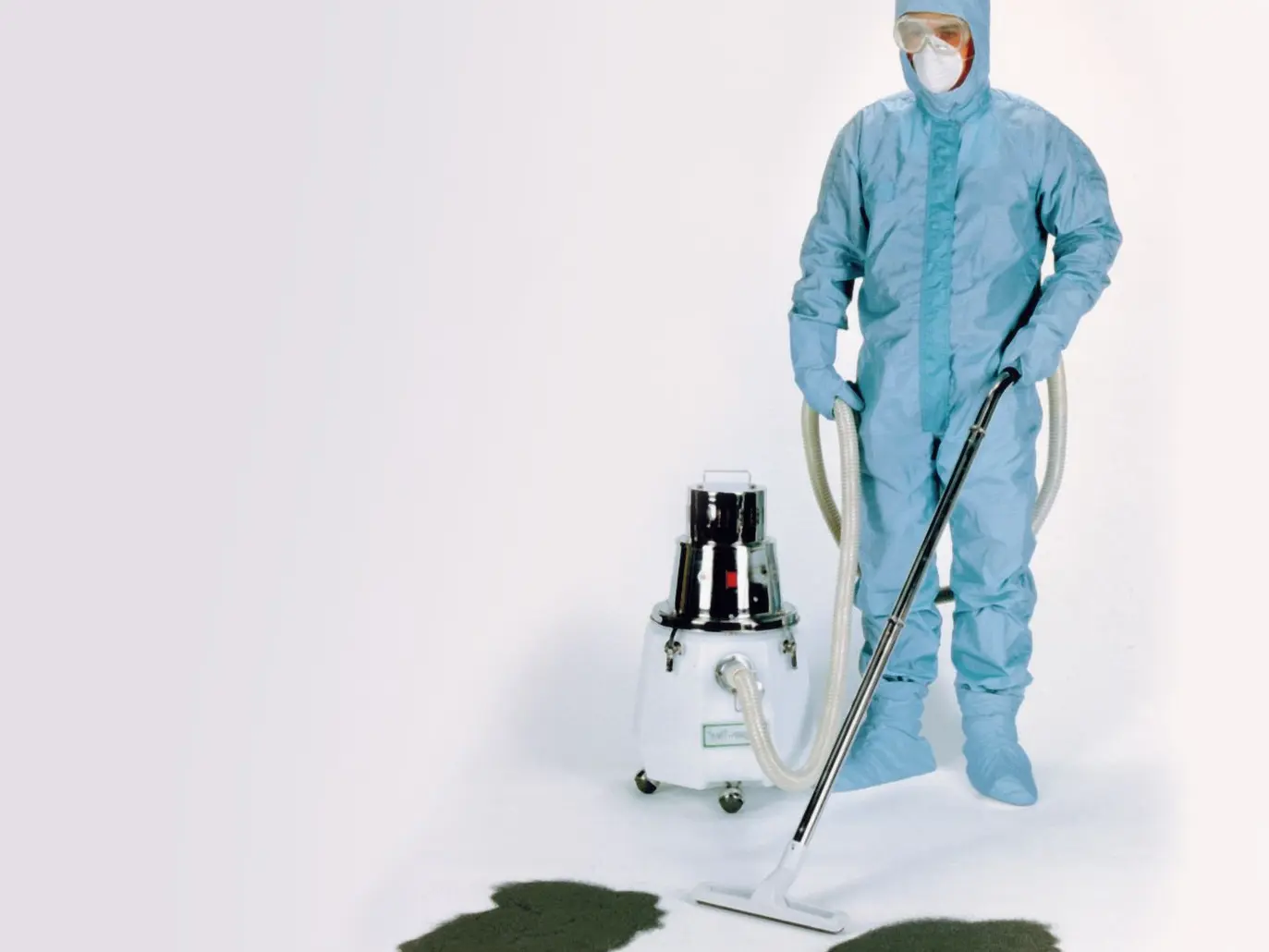
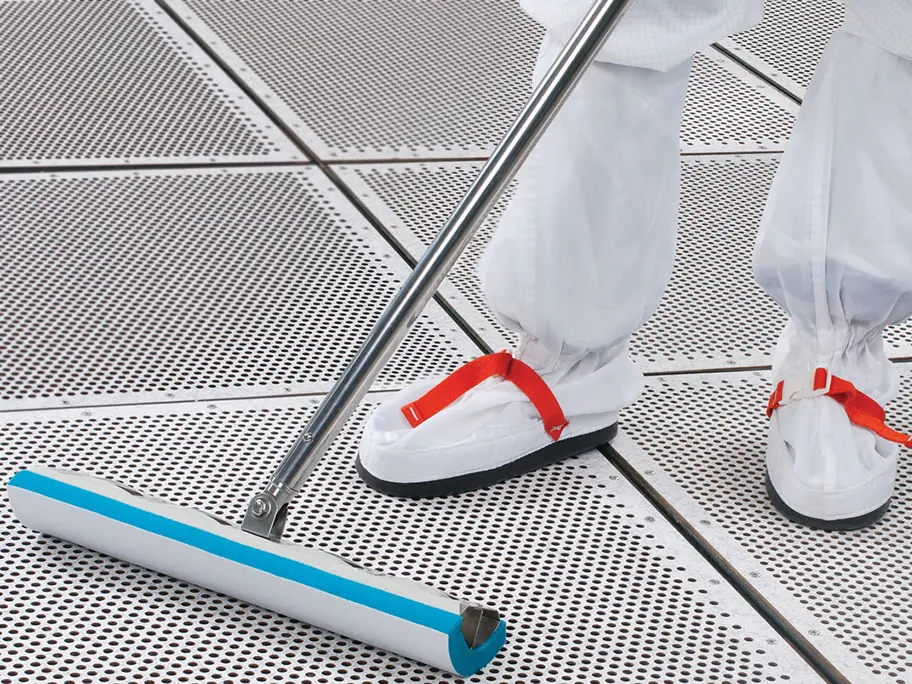
Dust removal: particulate and chemical decontamination by vacuuming or damp sweeping
Washing/detergency: use of detergents to detach contamination from the surface
WFI rinsing where detergents have been used, to remove residues
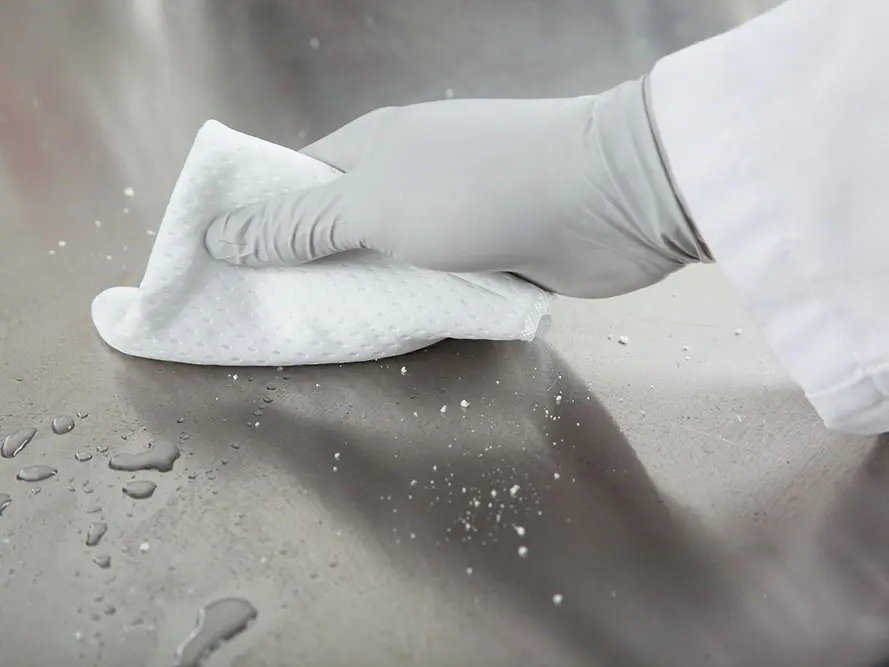
Wiping: mechanical action to remove residues
Disinfection to eliminate/reduce micro-organisms
WFI rinsing if the disinfectant leaves residues (quaternary ammonium compounds)
Wiping after rinsing to remove disinfectant residues
We offer training to help you identify the different contaminants and provide you with an effective cleaning methodology.
How to select your detergency and disinfection solutions?
To comply with EU GMP Annex 1, all stages of the bio-decontamination process must be documented, including the chemical products used, application times and the control method.
As a manufacturer, you have an obligation of results: remaining below the contamination thresholds corresponding to the cleanliness class required for your manufacturing environment.
In sterile manufacturing, you are required to validate that bio-decontamination has been effective, but you are free to establish the protocol that best enables you to meet this objective, taking into account your practices and production constraints. The frequency of bio-decontamination may therefore vary from one manufacturer to another.
Similarly, the choice of products will vary according to criteria related to the protocol you have defined. Their efficacy is validated by European standards, which has the advantage of allowing easy comparison between biocides. These standards are defined according to the intended use and sector of activity.
Application conditions are equally important, and their efficacy results from the combination of four factors (each contributing 25% to the effectiveness of a decontamination operation), which constitute the Sinner Circle:
- Temperature, which improves the solubilisation of contaminants
- Mechanical action: combining different tools, in particular the choice of cleaning wipes
- Chemistry: the product must be selected to eliminate contaminants, avoid damaging surfaces and minimise the risk of residues
- Contact time: mandatory contact time between micro-organisms and biocidal products to eliminate them
Furthermore, regulations require manufacturers to carry out a risk analysis involving supplier qualification. Consequently, choosing a recognised supplier for your biocidal products is preferable. On our side, we work in partnership with the manufacturer Christeyns (Klercide range).
Bio-decontamination is an essential step in maintaining cleanroom requirements and reducing contamination risks in your manufacturing environments.
The updates to EU GMP Annex 1 require a higher level of demand in decontamination operations, with the addition of further steps in the bio-decontamination process.
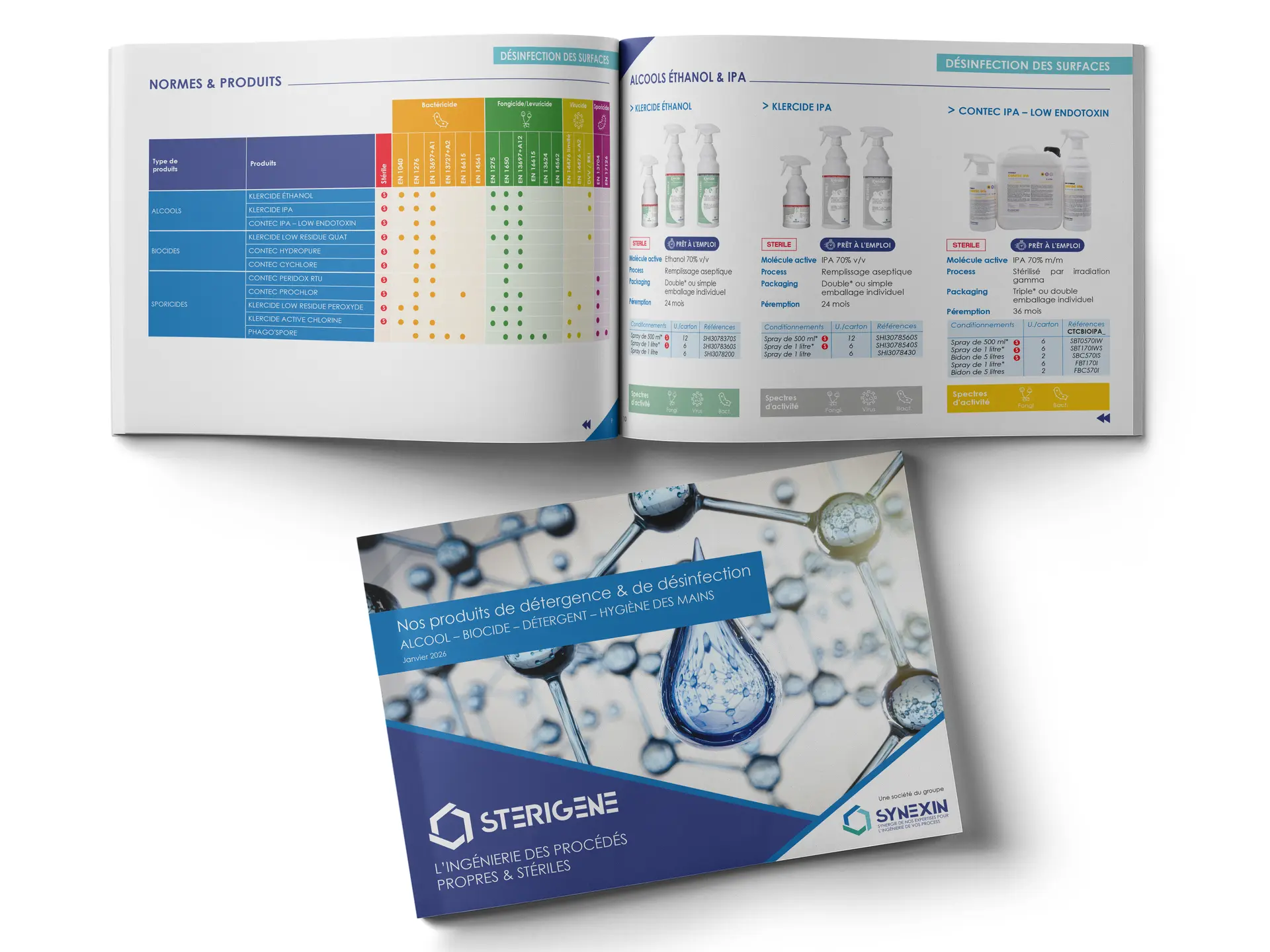
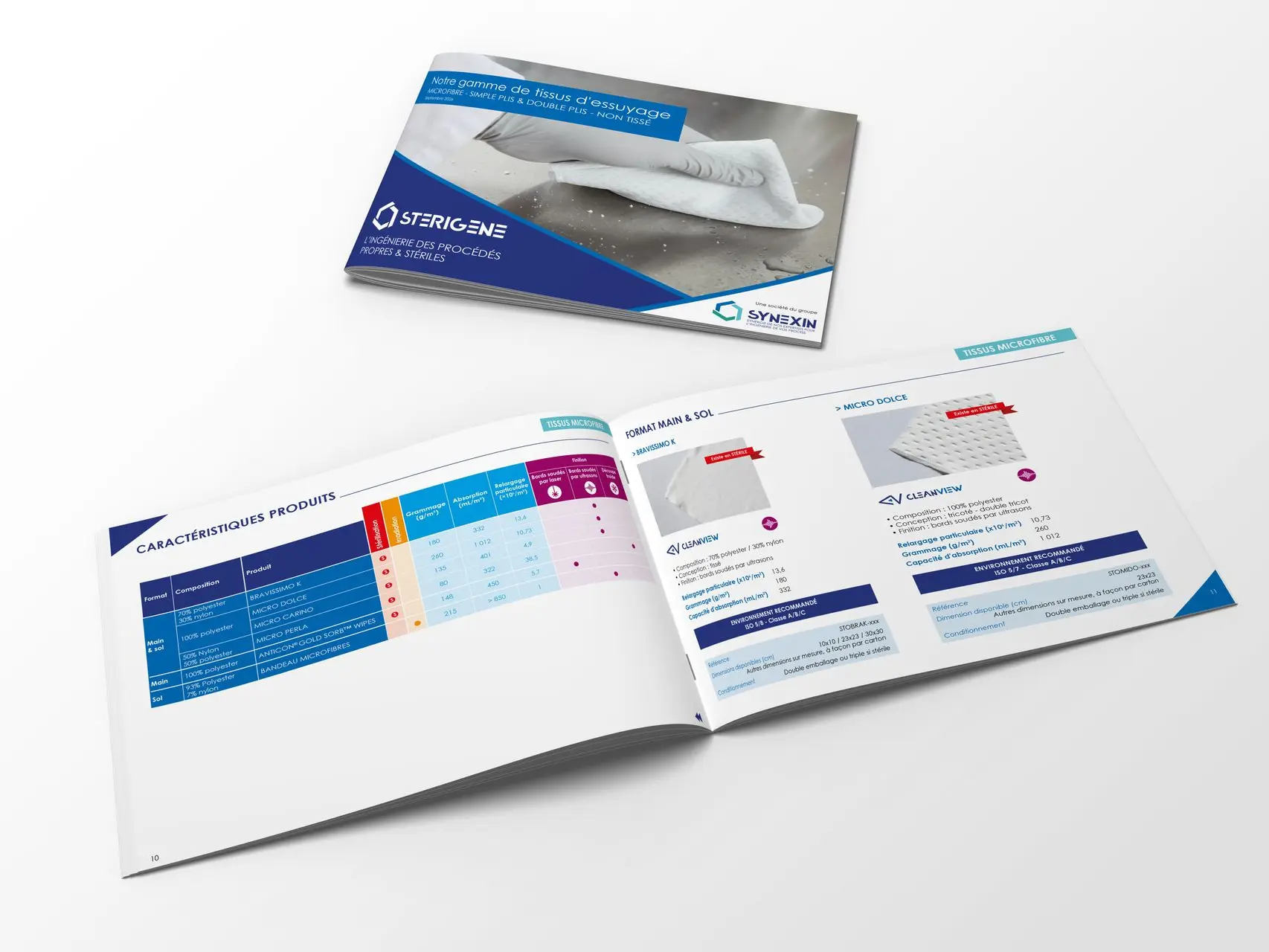
To support you in this, STERIGENE assists you both in defining your bio-decontamination protocols and in selecting the wipes, biocidal products and cleaning accessories suited to your activity, practices and constraints.
Our solutions at every stage of bio-decontamination
Find out more

Drawing on its expertise in contamination control, STERIGENE has carefully selected manufacturing partners qualified for their sector expertise, and has developed its own brand: CLEANVIEW, specialising in cleanroom and laboratory consumables.